
Recent
-
A Change of Ownership
-
Moore County Real-Estate Trusted Partner
-
Pre‑Drywall Inspections
-
Signs of Termites
-
Spring Home Care Reminder
-
Springtime Carpenter Bee Damage
-
Dryer Vent Obstruction
Atlas Home Inspections Blog
Carpenter Bee Damage — Spring Brings Increased Activity
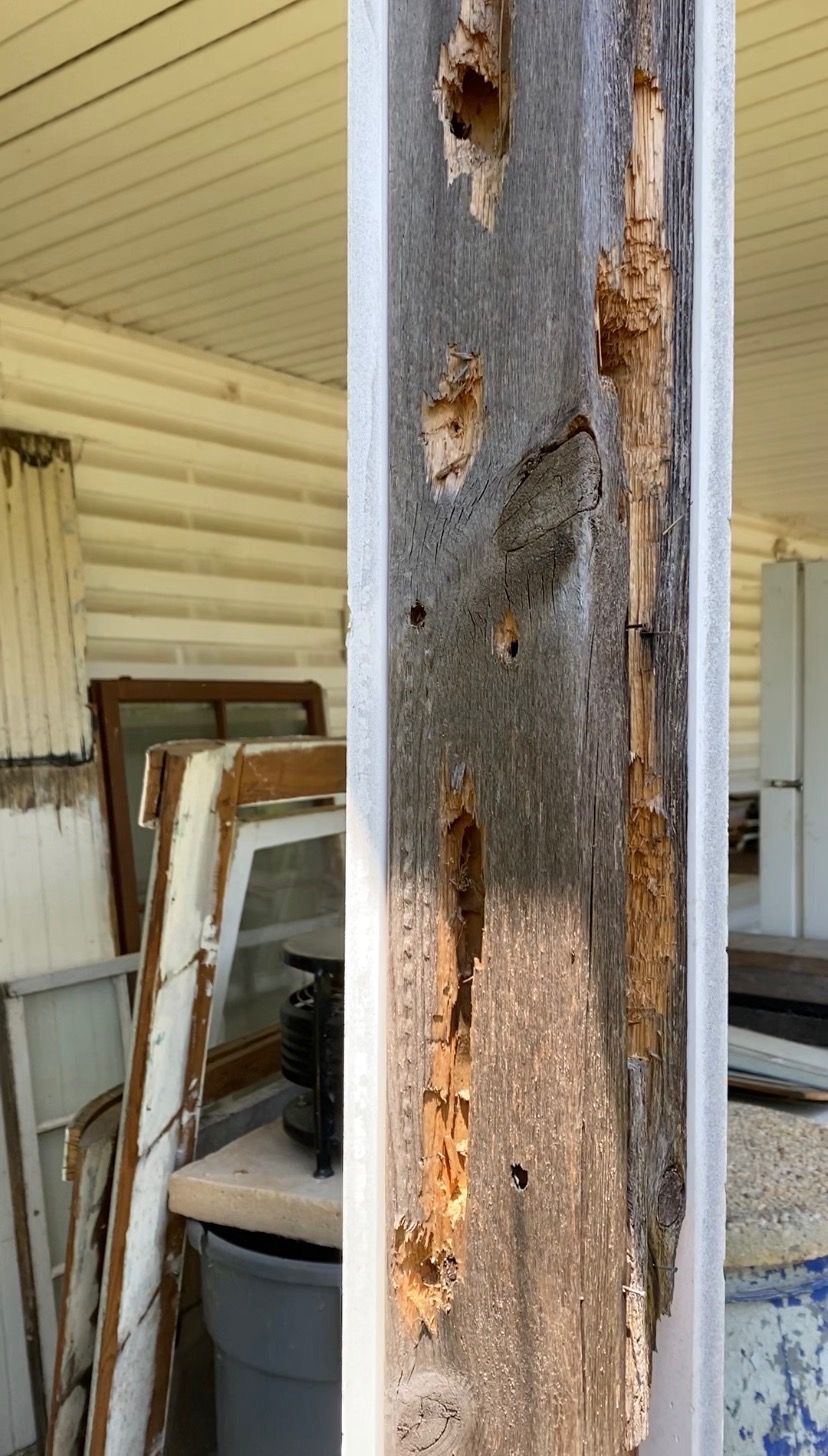
Spring brings warmer weather, blooming plants, and, unfortunately, increased carpenter bee activity. Carpenter bees emerge in spring to mate and tunnel into untreated wood—often targeting porch columns, fascia, and trim. Atlas Home Inspections can spot early signs of nesting and help protect your home before minor damage becomes a structural problem.
What carpenter bee damage looks like
-
Smooth, round entry holes (about 1/2 inch) in vertical wood surfaces
-
Little sawdust or wood shavings (frass) near holes
-
Expanding galleries beneath the surface that weaken posts and trim
-
Repeated activity in the same area across seasons
Why spring matters As temperatures rise, carpenter bees become active and begin creating nesting galleries. Early spring inspections let you catch new holes before galleries enlarge and cause significant weakening of porch columns or load‑bearing trim.
Immediate steps to take
-
Inspect surrounding wood for additional holes or soft/crumbly areas.
-
Photograph damage to share with pest control and contractors.
-
Contact a licensed pest control professional to treat active nests and prevent re‑infestation.
-
Schedule a structural inspection with Atlas Home Inspections to assess integrity and recommend repairs. CLICK HERE
Prevention and repair
-
Fill and seal inactive holes with wood filler or epoxy.
-
Paint or seal exposed wood—carpenter bees prefer untreated surfaces.
-
Replace lumber in severely damaged columns.
-
Consider metal or composite wraps for long‑term protection.